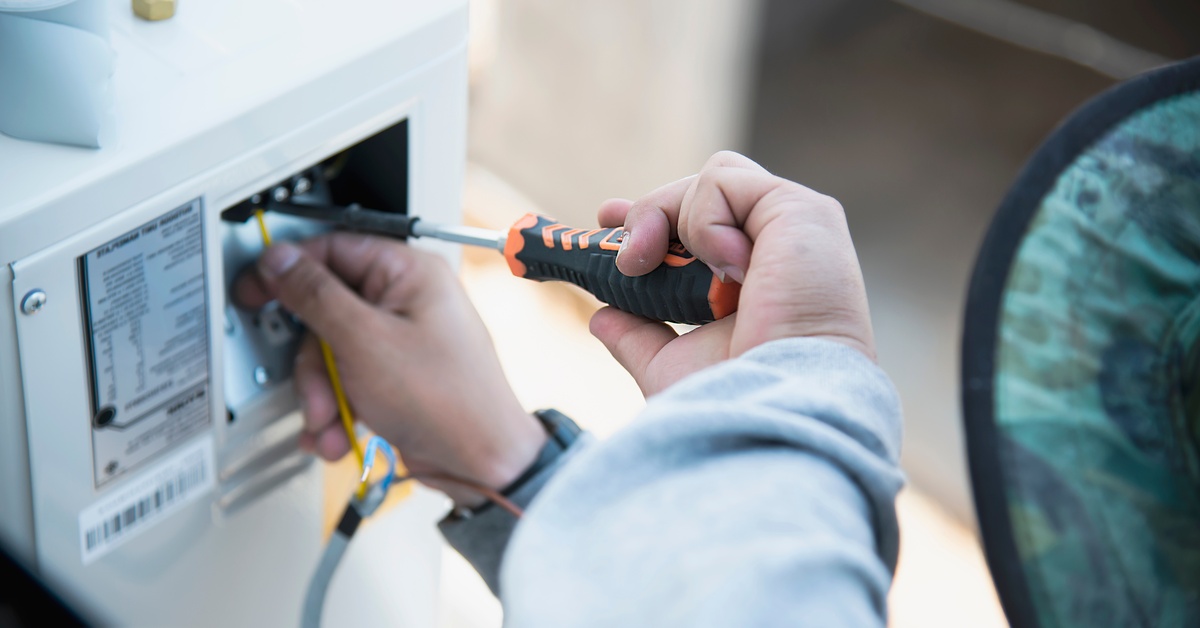
Reasons To Hire a Professional To Install Medical Equipment
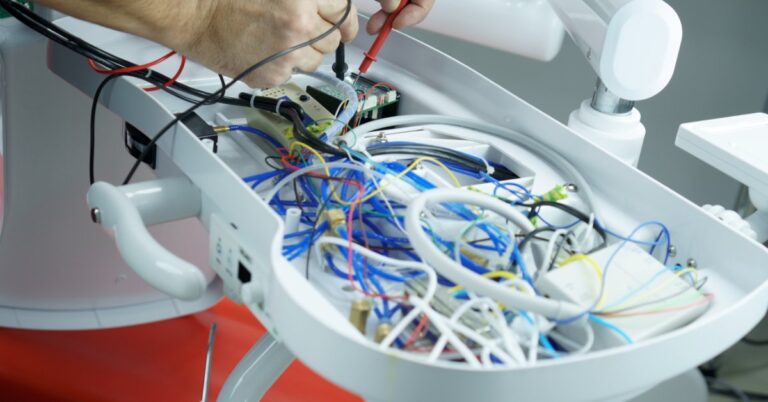
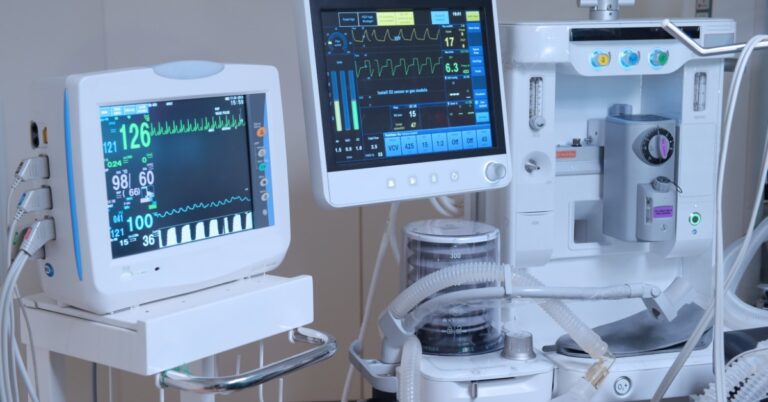
Installing clinical and laboratory devices involves more than placing equipment and connecting power, since each system must align with facility requirements, environmental conditions, and operational workflows to function correctly. When evaluating reasons to hire a professional to install medical equipment, decision-makers must consider how installation quality affects long-term performance. Since improper configuration can introduce inefficiencies gradually, this makes it difficult to identify until performance issues begin to surface.
Facilities that depend on accurate diagnostics and consistent output cannot risk preventable setup errors, particularly when equipment must integrate with existing infrastructure and digital systems. A structured installation approach creates a stable baseline for operation, allowing teams to work confidently without repeated adjustments or unexpected disruptions.
Why Installation Quality Directly Impacts Equipment Performance
Installation shapes equipment performance, as even small misalignments in calibration, positioning, or configuration influence how the system operates throughout its lifespan. These issues may not cause immediate failure, yet they can introduce variability that affects output accuracy, reliability, and overall usability.
Professional installers follow manufacturer specifications closely while accounting for real-world operating conditions, which allows equipment to function as intended from the start. That precision reduces the likelihood of recurring issues, while creating a consistent performance standard that supports day-to-day operations.
Avoiding Common Installation Errors
Installation errors tend to emerge from overlooked details, especially when multiple technical factors must align during setup. Misconfigured connections, improper leveling, and incomplete environmental assessments can collectively compromise functionality, even if each issue appears minor on its own.
Professionals apply a systematic approach that identifies these risks early, allowing them to correct potential problems before they affect performance. Their experience across equipment types enables them to anticipate challenges that less experienced teams might miss, which results in a smoother and more reliable setup process.
Electrical and Environmental Misconfigurations
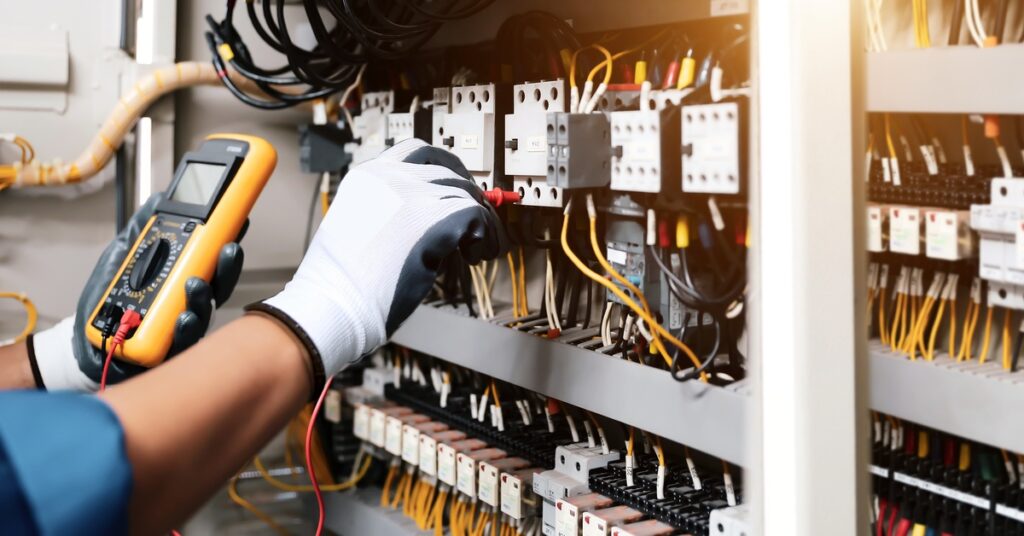
Electrical inconsistencies, including incorrect voltage, grounding issues, or unstable power supply, can damage sensitive components or create unpredictable behavior during operation. Environmental conditions such as humidity, airflow, and temperature fluctuations further influence performance, particularly for laboratory and diagnostic equipment.
Addressing these variables during installation creates a controlled environment that supports stability, allowing equipment to maintain accuracy and reliability under consistent conditions.
Compliance and Safety Considerations
Healthcare and laboratory environments operate under strict regulatory expectations, and installation practices must align with those requirements to avoid compliance gaps. Improper setup can lead to documentation issues or safety risks that complicate inspections and introduce unnecessary liability.
Professional installers incorporate compliance standards into the setup process, ensuring equipment meets regulatory expectations while maintaining accurate records that support audits. This allows facilities to meet requirements without placing additional strain on internal teams.
Integration With Existing Systems
New equipment rarely functions in isolation, as most facilities rely on interconnected systems that share data, infrastructure, and workflow dependencies. Installation must account for these relationships, since compatibility issues can disrupt operations and create inefficiencies across departments.
Experienced technicians evaluate how new systems interact with existing equipment and infrastructure and adjust configurations to maintain continuity. Reliable support creates a smoother transition, allowing staff to integrate new tools without interrupting established processes.
Compatibility With Facility Infrastructure
Physical space, electrical capacity, and layout constraints all dictate how you install and operate equipment throughout its lifecycle. Professionals assess these factors before installation begins, identifying potential limitations and adapting the setup to fit within the facility’s capabilities. By aligning equipment requirements with infrastructure realities, they create installations that operate efficiently without introducing strain or instability.
Time Efficiency and Reduced Downtime
Installation delays can disrupt schedules, particularly in environments where equipment availability directly affects patient flow or research timelines. Attempting setup without the necessary expertise often extends timelines, as teams troubleshoot issues they could have addressed earlier in the process.
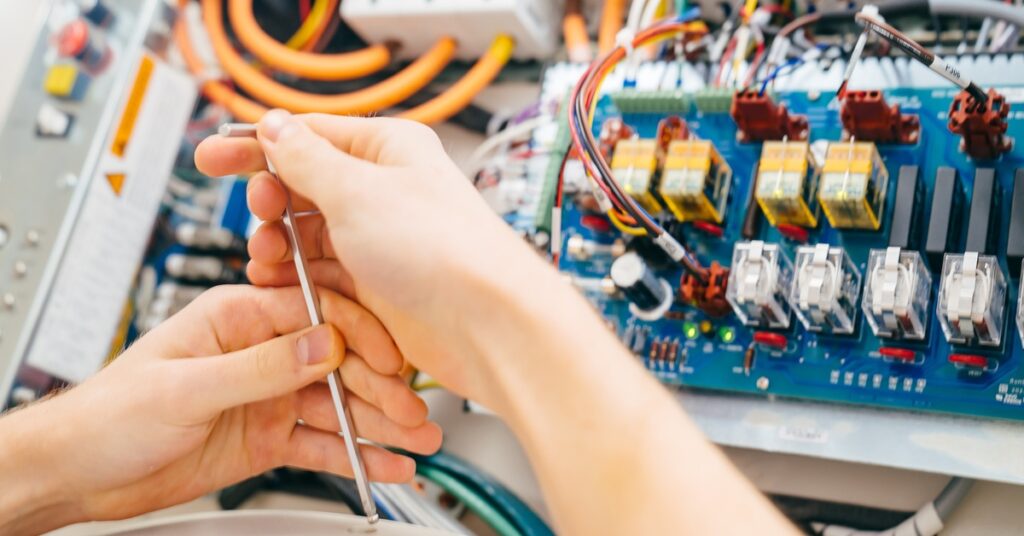
Professional installation services follow structured workflows that streamline setup while maintaining accuracy, allowing equipment to become operational within a predictable timeframe. This efficiency minimizes downtime while supporting consistent performance from the outset.
Access to Specialized Tools and Knowledge
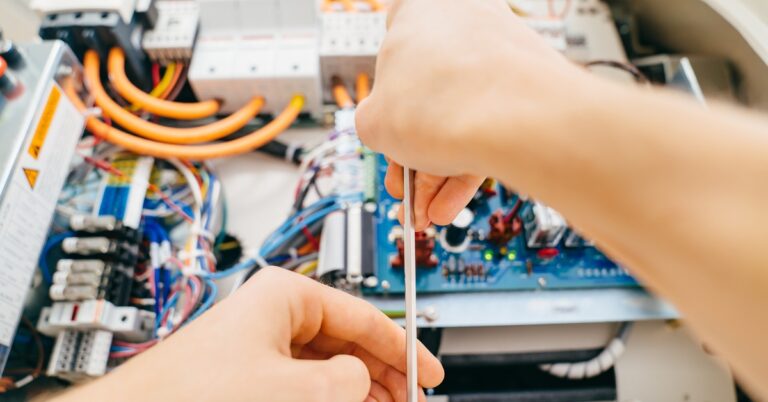
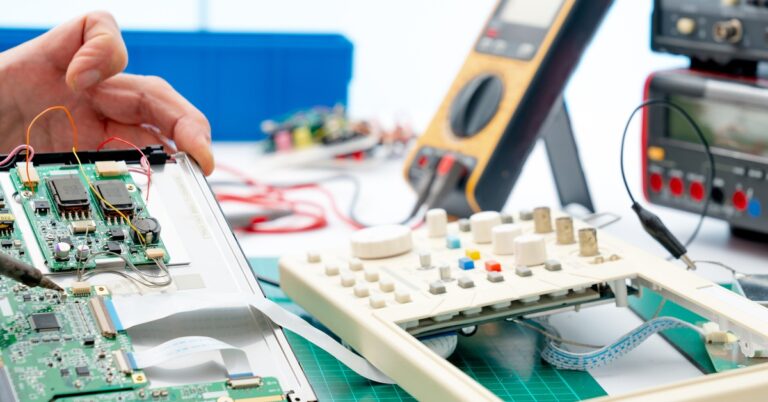
Many medical devices require precise tools and technical expertise, particularly when installation involves calibration or system integration. Without access to these resources, achieving an accurate setup becomes more difficult and time-consuming.
Professionals bring both the specialized tools and the experience needed to execute complex installations effectively, allowing them to address challenges with confidence. Their familiarity with diverse systems supports consistent results, regardless of equipment type or complexity.
Post-Installation Testing and Validation
Installation is not complete once equipment is powered on, since thorough testing confirms that systems operate within expected parameters and meet performance standards. Skipping this step can leave underlying issues undetected until they affect daily operations.
Technicians perform validation procedures that verify accuracy, functionality, and safety, establishing a clear baseline for future performance. These checks make it easier to identify deviations early, which supports long-term reliability and operational consistency.
Documentation and Baseline Performance Records
Accurate documentation following installation provides a reference point that supports long-term equipment management, particularly when facilities need to track performance trends or verify compliance during inspections. Establishing baseline performance metrics at the time of setup allows technicians to compare future readings against original conditions, which makes it easier to identify gradual changes that could indicate wear or calibration drift. This level of recordkeeping strengthens operational oversight while giving teams clearer visibility into how equipment performs, supporting more informed maintenance decisions and reducing uncertainty during troubleshooting.
Ongoing Support After Setup
Long-term performance depends on access to knowledgeable support, particularly when equipment requires adjustments or troubleshooting after installation. Facilities benefit from working with providers who understand the systems they installed, as this familiarity improves response times and diagnostic accuracy.
Partnering with a provider offering biomedical equipment services creates a consistent support structure that allows facilities to address issues efficiently while maintaining stable operations across departments.
Establishing Reliability From Day One
Professional installation creates the conditions necessary for consistent equipment performance, aligning systems with both technical requirements and operational workflows. When you handle setup with precision, devices operate more reliably, and teams can focus on clinical responsibilities without navigating preventable disruptions or recurring technical issues.
Minnesota Medical provides installation, maintenance, and ongoing support for a wide range of clinical and laboratory equipment, combining technical expertise with practical field experience. For organizations evaluating reasons to hire a professional to install medical equipment, working with an experienced partner offers a structured approach that supports long-term performance, improves operational consistency, and strengthens equipment reliability across the facility.