9 Pieces of Medical Equipment That Need Calibration
Clinical and laboratory teams depend on equipment that delivers consistent, repeatable results, yet calibration rarely becomes a focus until something is not working correctly. When reviewing pieces of medical equipment that need calibration, teams need to understand more than which devices require service. They also need to know how often to check them, what warning signs appear first, and how long they can safely continue using equipment once accuracy becomes questionable. These decisions directly affect workflow and the reliability of every result produced.
Each device responds differently when calibration drifts, which means staff must recognize both obvious failures and subtle inconsistencies that develop during routine use. Facilities that monitor performance closely and act early can reduce delays and prevent small issues from turning into larger disruptions that affect multiple departments.
Blood Pressure Monitors
Blood pressure monitors require regular calibration because internal pressure sensors lose accuracy with repeated use. Most facilities check these devices every six to twelve months, although clinics with high patient volume shorten that interval to maintain confidence in readings. Staff can compare results between devices or verify against a known accurate unit, which allows them to identify inconsistencies without interrupting workflow.
A device that produces readings outside a patient’s expected range or differs from another monitor under the same conditions signals a calibration issue. Teams should remove that unit from use for clinical decision-making until a technician confirms accuracy, since incorrect readings can affect diagnosis and treatment adjustments. Calibration service typically does not take long, and service providers may offer replacement options.
Thermometers
Thermometers experience gradual accuracy loss due to constant handling, exposure to varying environments, and frequent cleaning protocols. Facilities usually verify them annually, but intake areas that process patients continuously benefit from more frequent checks to maintain consistency. Staff can perform simple comparisons by taking multiple readings under the same conditions, which identifies drifts early.
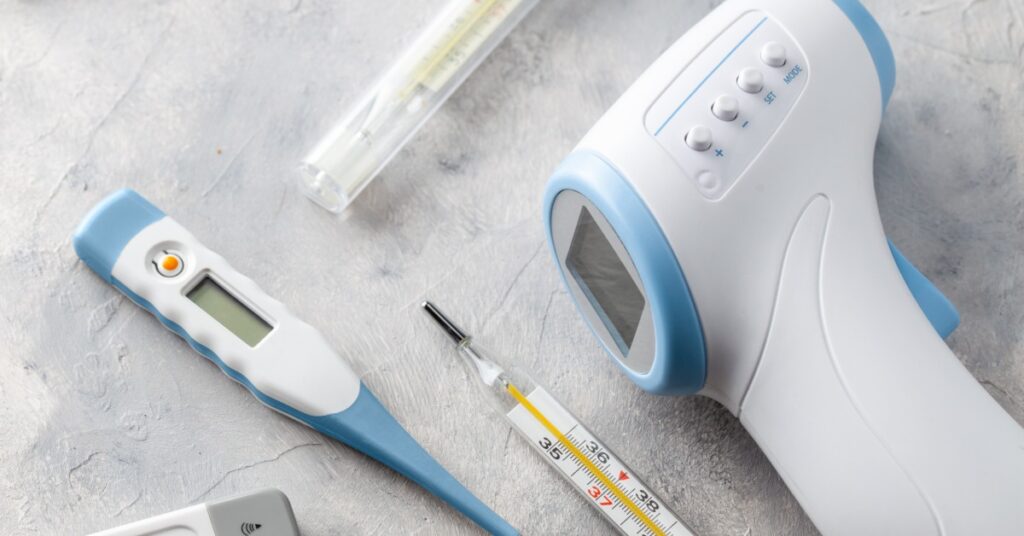
Inconsistent readings between devices or noticeable variation during repeated use indicates a problem that requires attention. Teams should switch to a verified unit, since delays at intake can affect patient flow. Many organizations choose replacement instead of calibration for lower-cost thermometers, which reduces downtime and keeps operations moving efficiently.
Patient Monitoring Systems
Patient monitoring systems run continuously, which increases the likelihood of gradual sensor drift that may not trigger immediate alerts. Manufacturers define calibration schedules, and facilities align these with preventive maintenance programs handled by trained technicians. Staff contribute by identifying irregularities during daily use, since they interact with the equipment more frequently than service providers.
Conflicting readings across channels or differences from manual measurements signal calibration problems. Teams escalate these issues quickly because monitoring systems provide the accuracy required for real-time clinical decision-making. Service timelines vary depending on system complexity, but providers attempt to prioritize these devices due to their direct impact on patient care and safety.
Laboratory Analyzers
Laboratory analyzers require frequent calibration because they operate within narrow tolerances and process sensitive samples throughout the day. Many systems include built-in calibration routines that lab staff perform daily or at the start of each run, which allows teams to confirm accuracy before processing samples. These routine checks assist in maintaining reliable output.
Failed control samples or unexpected variation in results indicate that calibration has shifted. Lab teams typically stop testing immediately when this occurs, since continuing to run samples can invalidate entire batches and require reprocessing. While staff members manage routine calibration, technicians handle deeper issues that affect system performance, which makes early detection essential for maintaining workflow efficiency.
Centrifuges
Centrifuges rely on precise speed and timing to produce consistent separation, which directly affects downstream testing and analysis. Facilities schedule periodic verification based on usage, especially in labs that run continuous processing cycles. Staff do not calibrate these devices directly, but they should recognize performance changes.
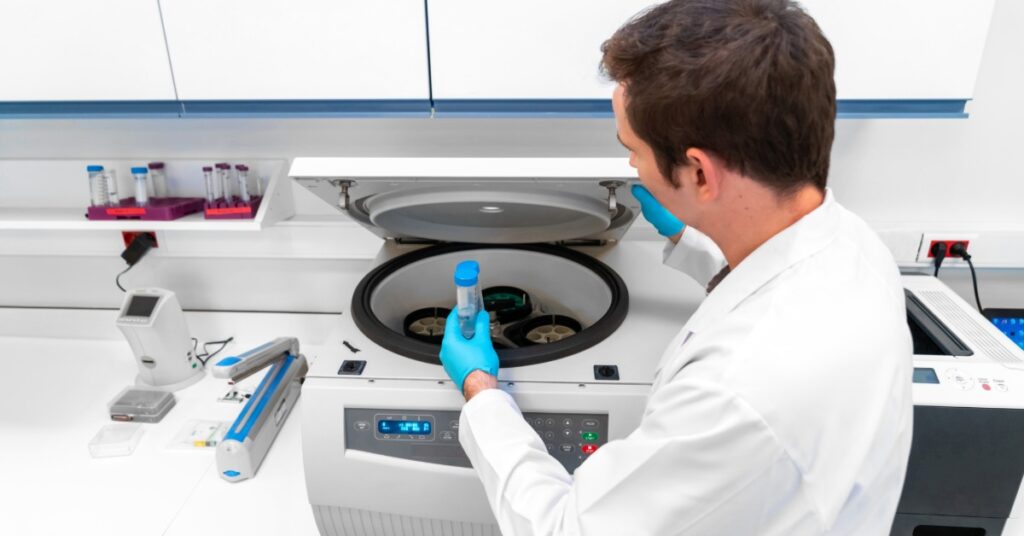
Unusual vibration, increased noise, or uneven separation results indicate that the centrifuge no longer operates within expected parameters. Teams should limit use once these signs appear, since compromised separation affects every test that depends on the sample. Service usually resolves these issues quickly, but delaying calibration increases the risk of repeated errors and additional workload.
Imaging Equipment
Imaging systems require calibration to maintain scaling consistency and image clarity during diagnostic procedures. Facilities follow manufacturer-recommended service intervals, which vary based on usage intensity and system type. Operators often detect early signs of drift through daily interaction with the equipment.
Distorted images, inconsistent measurements, or reduced clarity across repeated scans indicate calibration issues. Teams must determine whether results remain usable or if they should reroute patients to another system to avoid inaccurate interpretation. Service timelines vary widely, which makes early detection important for preventing scheduling delays and minimizing the need for repeat imaging.
Therapeutic Devices
Therapeutic devices must deliver precise output to maintain consistent treatment results, particularly when they rely on electrical or energy-based settings. Facilities follow defined service intervals, although frequent use can accelerate calibration drift and require earlier verification. Staff can identify issues through changes in device performance during treatment.
Output that does not match selected settings or produces inconsistent patient responses can indicate that calibration may have shifted. Teams should stop using the device until a technician verifies performance, since inaccurate output affects treatment effectiveness and consistency. Calibration requires specialized tools, so facilities rely on service providers to restore proper function.
Scales and Measurement Devices
Scales provide one of the most accessible ways for staff to verify calibration, since they can use known weights to check accuracy on a daily or weekly basis. These routine checks allow teams to identify issues quickly without waiting for scheduled service.
Measurements that fail to return to zero or differ from expected values indicate a calibration problem. Staff should avoid using those readings for dosing or assessment until they confirm their accuracy, since even small discrepancies can affect calculations. Professional calibration restores reliability, but consistent internal checks prevent errors from reaching patient care.
Autoclaves and Sterilization Equipment
Autoclaves require strict calibration because they must maintain exact temperature, pressure, and timing to achieve effective sterilization. So, facilities follow defined validation schedules with trained technicians performing calibrations to meet regulatory requirements. Staff monitor cycle performance and indicator results to confirm proper operation.
Failed biological indicators or inconsistent cycle performance signal that the system no longer meets required conditions. Teams must remove the unit from service immediately, since ineffective sterilization introduces risk across the entire facility. Service providers also prioritize these systems, but teams still need contingency plans to manage workflow during downtime.
Maintaining Accuracy Without Disrupting Operations
Calibration becomes far more manageable when teams treat it as part of routine operations instead of reacting only when problems appear. Responding to early warning signs and coordinating with service providers allows facilities to maintain reliable equipment without interrupting workflow or creating unnecessary delays. Teams that build calibration into standard procedures catch issues earlier and reduce reliance on emergency repairs.
Minnesota Medical provides medical equipment service support that helps teams manage calibration schedules, identify performance issues, and maintain dependable equipment across departments. For teams reviewing pieces of medical equipment that need calibration, structured service planning supports consistent performance and keeps clinical and laboratory operations running as expected.