9 Signs It’s Time To Replace Your Medical Exam Equipment
Clinical environments depend on a wide range of tools to support accurate assessments, efficient workflows, and consistent patient care. When evaluating clear signs it’s time to replace your medical exam equipment, teams need to look beyond obvious failures and consider how performance changes affect daily operations. Subtle declines in reliability, accuracy, or usability can indicate deeper issues that limit long-term functionality and consistency, especially in settings where precision and timing directly influence outcomes.
Facilities that rely on dependable equipment cannot overlook early warning signs, particularly when aging devices begin to introduce inefficiencies or safety concerns that disrupt routine tasks. Recognizing these indicators early allows teams to act before minor issues evolve into larger disruptions that affect both care delivery and operational stability across multiple departments and service lines.
Declining Accuracy in Readings and Results
Many types of exam equipment rely on precise measurements, and even slight inaccuracies can affect clinical decisions and downstream actions. As internal components degrade or lose calibration stability, readings may drift outside acceptable ranges or produce inconsistent outputs that require verification.
When recalibration no longer restores accuracy or results vary between repeated uses, the equipment no longer meets expected performance standards. Staff may begin to question reliability, which leads to repeated checks or secondary confirmation methods that slow down workflows and introduce inefficiency into otherwise routine processes.
Frequent Calibration Requirements
Equipment that requires increasingly frequent calibration can signal instability within key components that no longer hold settings effectively. While routine calibration remains part of standard maintenance, shortened intervals between adjustments indicate that internal systems struggle to maintain consistency.
This pattern increases downtime and interrupts daily workflows, particularly when calibration procedures require equipment to be temporarily taken out of service. As demands on staff increase, frequent recalibration begins to reduce productivity and introduces unnecessary complexity into routine operations that depend on consistent equipment availability.
Inconsistent Performance Across Uses
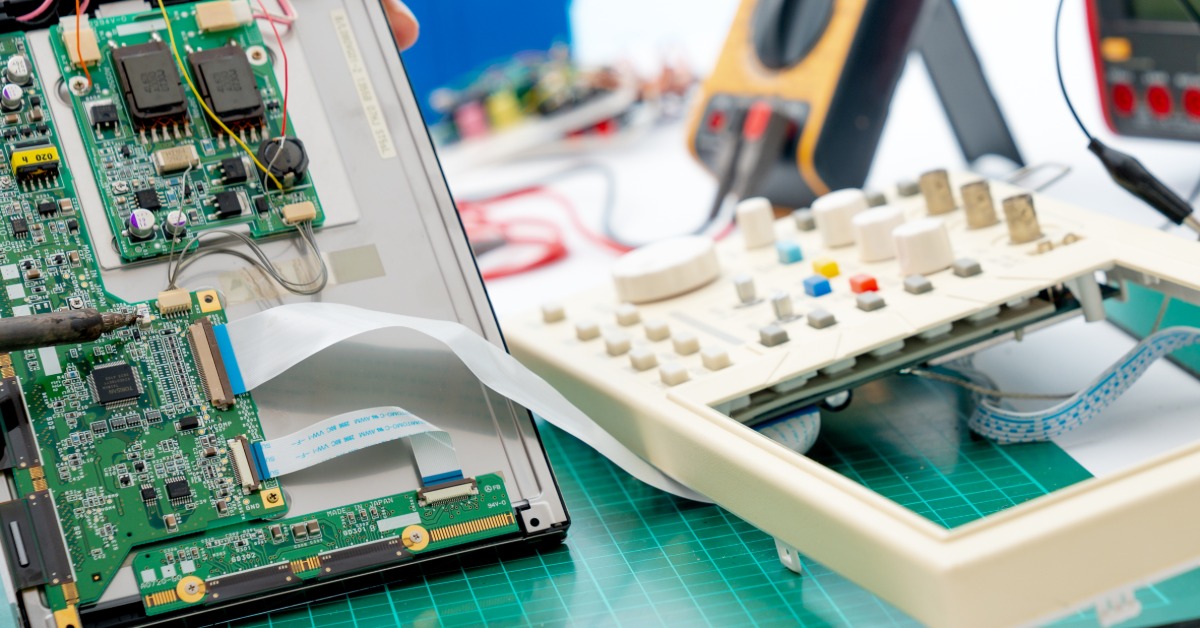
Inconsistent operation may appear through fluctuating outputs, delayed responses, or unpredictable behavior under the same conditions. These variations create uncertainty, especially in environments where repeatability and consistency remain essential for accurate evaluation and documentation.
Staff may need to repeat procedures or verify outputs multiple times, which increases workload and reduces confidence in the equipment. As inconsistencies become more frequent, the equipment shifts from being a reliable tool to a variable factor within the workflow that complicates standard processes.
Increased Downtime and Service Interruptions
Frequent service interruptions reduce equipment availability and interfere with scheduled workflows, particularly when devices fail without warning or require repeated repairs. Each instance of downtime forces teams to adjust schedules, delay procedures, or rely on alternative equipment that may not be immediately accessible.
These disruptions create inefficiencies that extend beyond the equipment itself, affecting patient throughput, staff coordination, and resource allocation. When downtime becomes a recurring issue, replacement provides a more stable solution than continued reliance on reactive repairs that fail to address underlying problems.
Difficulty Integrating With Updated Systems
Modern clinical environments rely on interconnected systems that exchange data and support coordinated workflows, yet older equipment can lack compatibility with updated software or infrastructure. This disconnect forces staff to rely on manual processes, workarounds, or duplicate data entry, which increases the likelihood of errors and slows down operations.
Integration challenges reduce the effectiveness of otherwise efficient systems, particularly when users must transfer data between devices or platforms. Replacing outdated equipment allows facilities to maintain compatibility with evolving technologies while supporting smoother communication and more efficient workflows.
Wear Affecting Usability and Functionality
Physical wear gradually changes how equipment performs during routine use, even when it continues to function at a basic level. Controls may become less responsive, displays harder to read, or mechanical components more difficult to operate, which slows down tasks and increases effort for staff.
These usability issues often begin as minor inconveniences but become more disruptive as they accumulate across daily operations. Equipment that requires additional effort to use effectively reduces efficiency and increases the likelihood of user error during procedures that depend on consistent interaction.
Compliance and Safety Risks
Regulatory standards continue to evolve, and older equipment may fail to meet current expectations as components degrade or requirements change. Devices that fall short of safety or performance standards introduce risk during both inspections and daily use, particularly when manufacturers cannot guarantee reliability under normal operating conditions.
Facilities that operate with non-compliant equipment may face increased scrutiny, delays, or liability concerns that affect operations. Replacing outdated devices supports adherence to current standards while maintaining a safer environment and reducing exposure to avoidable compliance issues.
Rising Repair Costs
An increase in repair costs signals that equipment has reached a stage where maintenance no longer provides lasting value. Repeated service calls, part replacements, and labor expenses accumulate quickly, especially when underlying issues persist after repairs.
In addition to direct costs, facilities must account for indirect impacts such as downtime, scheduling delays, and reduced equipment availability. When expenses continue to rise without restoring consistent performance, replacement becomes the more practical and cost-effective option for maintaining operational stability.
Reduced Efficiency in Clinical Workflows
Equipment that no longer performs efficiently introduces delays into clinical workflows, particularly when staff must adjust for inconsistencies or compensate for slower operation. Tasks that once required minimal effort may take longer, which affects scheduling and reduces productivity across departments that depend on timely execution.
As inefficiencies compound, they create bottlenecks that impact patient flow and limit the ability to maintain consistent appointment timelines. Replacing underperforming equipment restores workflow stability and allows teams to operate with fewer interruptions and greater consistency in daily operations.
Maintaining Reliable Equipment Across Your Facility
Recognizing when to replace aging devices supports consistent performance, safety, and efficiency across clinical environments. Facilities that monitor equipment condition and act on early warning signs maintain stronger operational stability while reducing reliance on reactive fixes that disrupt workflows and resource planning.
Minnesota Medical provides support for evaluating, servicing, and replacing a wide range of clinical and laboratory devices, offering guidance based on real-world performance conditions. For teams reviewing clear signs it’s time to replace your medical exam equipment, working with a biomedical equipment service provider allows for informed decisions that support long-term reliability, operational consistency, and dependable performance across the facility.