What To Look For in a Lab Equipment Service Provider
Laboratory and clinical teams rely on equipment that performs consistently, because reliability ties directly to workflow, safety, and confidence in results. When deciding what to look for in a lab equipment service provider, it helps to step back from pricing alone and evaluate how service quality affects downtime, compliance, and planning. The strongest providers operate like long-term partners, bringing technical depth, documentation, and discipline into everyday operations.
Match the Provider’s Experience to Your Equipment Mix
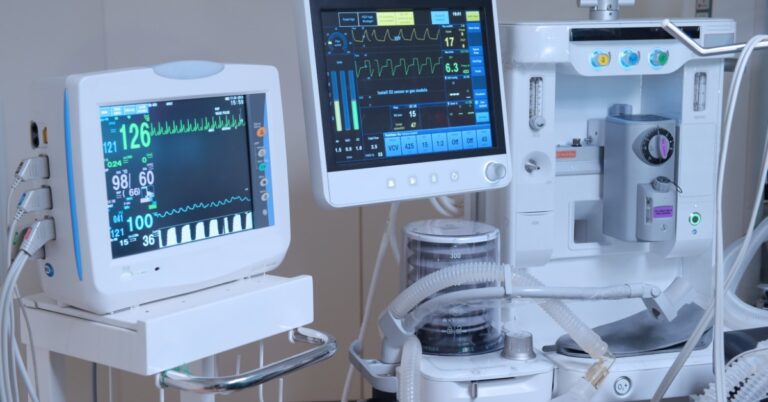
A service partner should demonstrate hands-on familiarity with the equipment your team depends on every day, including items that fall outside a narrow “lab only” definition. Many facilities run a blend of clinical, biomedical, therapeutic, and laboratory devices, so vendor fit improves when a provider can support that reality. Look for evidence that technicians have worked on your core asset types, whether that includes sterilization equipment, cold storage, or specialized devices used in patient care settings.
Confirm Brand and Model Coverage, Including Legacy Units
Equipment rooms rarely stay “standardized,” and the same facility may house multiple brands across different purchase cycles. Compatibility matters because a provider who can support only a small set of models forces you into juggling vendors, timelines, and separate service records. Ask how the provider handles discontinued parts, older generations of equipment, and manufacturer-specific procedures, then compare that to the equipment in your inventory.
Evaluate How Fast the Provider Can Diagnose and Respond
When a piece of equipment fails, the real cost shows up as interrupted testing, delayed procedures, or staff time spent troubleshooting without the right tools. Strong providers reduce uncertainty quickly through clear triage processes, practical communication, and realistic timelines. Response capability should cover both urgent repair needs and the everyday service calls that keep a facility running smoothly.
Look for Multiple Service Paths: Phone, Field, and Drop-Off

Fast resolution becomes more likely when the provider can start with remote troubleshooting, then escalate to on-site service when needed. Some repairs also move faster through a controlled shop environment, so a drop-off option can be a useful part of the service model. A provider that supports more than one service path gives your team flexibility, especially when staffing or scheduling constraints complicate same-day access.
Review Preventive Maintenance as a Program, Not a Checklist
Preventive maintenance works best when it aligns with how equipment the team uses it, rather than following a generic schedule that ignores risk and workload. A credible provider can explain why intervals differ across devices and how inspection steps connect to performance and safety. Preventive planning creates a more stable budget picture, since fewer surprises show up as expensive emergency calls.
Expect Custom Plans Based on Usage, Risk, and Facility Needs
Maintenance planning should reflect real-world factors, including throughput, environmental conditions, and the consequences of failure for a given device. A thoughtful provider will ask questions about operating patterns, location conditions, and any recurring issues, then translate that information into a service plan your team can manage. Using a custom plan can support better internal coordination, because managers can forecast downtime windows and align them with staffing and patient-care schedules.
Demand Calibration and Verification Documentation You Can Use
Calibration and verification support defensible records when audits, inspections, or internal reviews arise. Documentation should be readable, traceable, and consistent, so staff can locate records quickly. Inquire how the provider applies calibration standards, reports results, and delivers documentation, especially if multiple departments require access.
Prioritize Compliance Support and Paperwork Readiness
Healthcare and lab environments carry documentation expectations that reach beyond a basic service ticket. Facilities may need records for reimbursement-related documentation, internal quality requirements, or inspection readiness tied to programs such as Medicare and Medicaid. A provider who understands these pressures will write service records with enough detail to stand up to scrutiny, while keeping communication practical for busy teams.
Confirm PCRE-Related Experience and Inspection Familiarity

Skilled nursing and patient care settings may require Patient Care Related Electrical Equipment (PCRE) inspection processes, which adds another layer to maintenance planning and documentation. A provider with relevant experience can help teams keep inspection records consistent and avoid gaps that create last-minute scrambling during reviews. Inquire about how the provider records inspection findings, tracks follow-up work, and delivers supporting documents to the facility.
Check CMMS Reporting and Asset Tracking Capabilities
A provider’s work becomes more valuable when it feeds into asset management, rather than living in disconnected invoices and email threads. CMMS-aligned reporting helps facility leaders monitor trends, plan replacements, and justify budget requests with real maintenance history. Verify how the provider delivers service data, confirm if they can match your internal fields, and determine how they flag recurring issues for review.
Assess Repair Depth, Refurbishment Options, and Parts Strategy
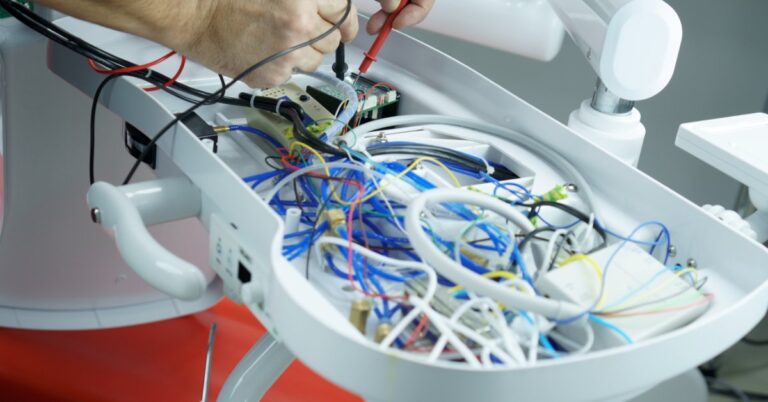
Repair capability should extend beyond surface-level fixes, because recurring failures waste time and create repeated downtime. Providers with rebuild and refurbishment experience can attempt repairs without pushing a full replacement, which helps when lead times or budgets get tight. The equipment company should also have a parts strategy since sourcing delays can stall repairs, even when technician availability is strong.
Use Targeted Questions To Compare Providers Fairly
A short list of practical questions can reveal whether a provider operates with discipline, transparency, and the technical range your facility needs. Conversations go better when questions stay specific, because vague promises are easy while operational detail takes real experience. Consider using the following as a consistent comparison set across vendors:
- How do you triage service calls, and what information do you need to start diagnostics quickly?
- What equipment categories, brands, and model ranges do you support, including older units?
- What documentation will we receive after service, and can it support compliance reviews and internal audits?
- Can your reporting align with our CMMS needs, including asset IDs, service histories, and recurring-issue notes?
- What preventive maintenance options are available, and how do you tailor schedules to usage and facility risk?
- Do you offer refurbishment or rebuild services when repair-versus-replace decisions come up?
Clear answers to these questions make it easier to separate marketing language from operational reality. Once you define your expectations, choose a partner capable of translating those answers into consistent, long-term support.
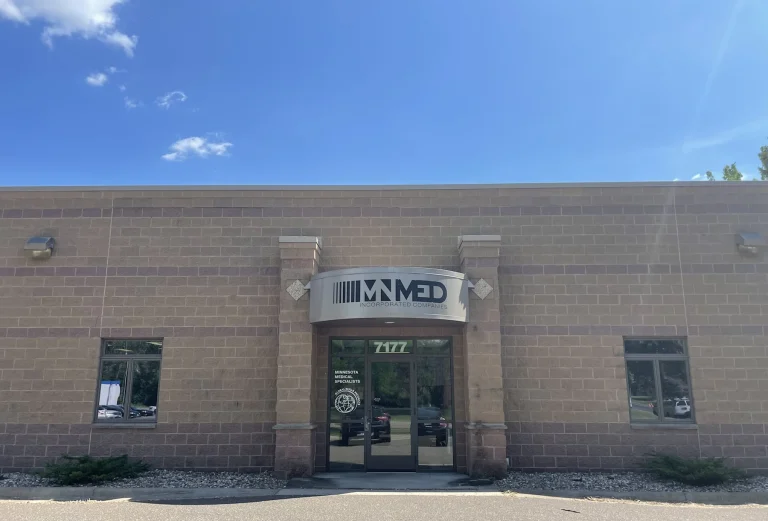
Turn Service Into a Stability Plan With Minnesota Medical
Choosing what to look for in a lab equipment service provider becomes easier when the evaluation focuses on uptime, documentation quality, and the provider’s ability to support long-term planning instead of one-off fixes. If your facility requires a biomedical equipment service company to handle repairs, preventive maintenance, calibration, refurbishment, and troubleshooting, Minnesota Medical supports all your clinical and laboratory equipment needs.
Contact Minnesota Medical to request a service consult, review your equipment list, and set up a maintenance plan that supports readiness, reporting, and day-to-day continuity.