Medical Devices That Need Frequent Servicing
Healthcare facilities rely on medical equipment that performs demanding tasks throughout the day. From steam sterilization systems to precision diagnostic devices, different types of equipment face operating demands that influence their maintenance needs. Recognizing which medical devices need frequent servicing helps facility managers identify equipment that may require regular technical attention.
Service requirements depend on equipment design and operating conditions, with manufacturers establishing the procedures that apply to each device. Although frequent use can increase maintenance demands, operating hours alone do not determine every service schedule. Facilities must consider the specific components that require attention to keep equipment functioning as intended.
Autoclaves and Steam Sterilization Equipment
Autoclaves use pressurized steam and controlled operating conditions to support sterilization procedures. Repeated heating and cooling cycles place demands on door seals and other components involved in maintaining the conditions required for operation. Depending on the equipment’s design, scheduled maintenance may include inspecting seals for deterioration and examining components that regulate steam or pressure.
Steam sterilization equipment also relies on controls that manage the conditions within each cycle. Technicians may need to verify temperature or pressure performance using manufacturer-specified procedures and appropriate testing equipment. These evaluations determine whether the autoclave operates within its established specifications.
Infusion Pumps and Other Fluid Delivery Devices
Infusion pumps control fluid delivery according to programmed settings, making delivery performance a central consideration during scheduled servicing. Depending on the pump’s design, components involved in regulating fluid movement may require inspection or performance testing. Wear or mechanical changes can affect those components even when the device appears to operate normally.
During technical evaluation, qualified personnel may use specialized testing equipment to assess delivery accuracy against manufacturer specifications. These procedures can reveal performance differences that routine visual checks cannot establish. The required tests depend on the pump model and its intended operation.
Some infusion pumps also include alarm functions that alert users to operating conditions. When the manufacturer requires alarm verification during scheduled maintenance, technicians can assess whether those functions respond as specified. Testing these functions addresses a different aspect of pump performance from measuring fluid delivery alone.
Patient Monitors and Diagnostic Equipment
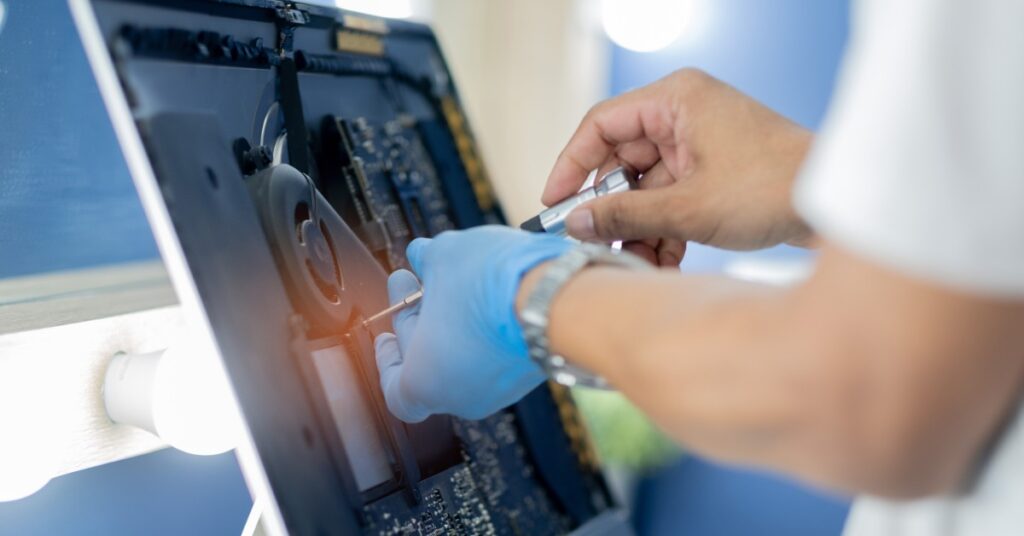
Patient monitors display measurements that clinicians use to assess patient conditions. Because these devices depend on measurement functions, scheduled maintenance may include verifying their performance against appropriate reference equipment. The procedures vary according to the parameters each monitor measures and the manufacturer’s testing requirements.
Connections between a monitor and its compatible sensors or accessories can also affect measurement performance. Technicians may inspect relevant connectors or evaluate measurement functions during scheduled service to identify problems that interfere with expected operation. A functioning display does not independently confirm that every measurement function meets its specifications.
Laboratory Centrifuges and Equipment With Moving Components
Laboratory centrifuges operate by rotating samples at controlled speeds, creating mechanical demands that differ from those of stationary laboratory instruments. Their rotors and associated components must withstand forces generated during operation. Manufacturer-directed inspections may address rotor condition, visible damage, or other mechanical concerns that could affect safe operation.
The equipment’s drive system also contributes to its maintenance requirements. Depending on the centrifuge model, service procedures may include evaluating operating speed or inspecting components associated with rotor movement. Technicians follow the applicable specifications when determining whether the equipment performs within its intended operating range.
For centrifuges with removable rotors, the condition and service requirements of those components deserve separate attention. Manufacturers may establish inspection criteria or service-life restrictions for rotor designs. Facilities must follow those requirements even when the centrifuge itself continues to operate.
Medical and Laboratory Refrigeration Equipment
Medical and laboratory refrigerators maintain controlled temperatures for materials that require specific storage conditions. Their cooling systems must respond to changes in internal temperature while operating within the limits established for the equipment. Depending on the model, scheduled servicing may involve inspecting components associated with refrigeration performance or evaluating the system’s ability to maintain its specified temperature range.
Temperature sensors and control systems introduce another maintenance consideration. Where manufacturers require verification, technicians can compare indicated temperatures with appropriate reference measurements to assess performance. This type of evaluation differs from routine temperature monitoring because it examines whether the equipment measurement or control functions operate as specified.
Physical Therapy and Therapeutic Equipment
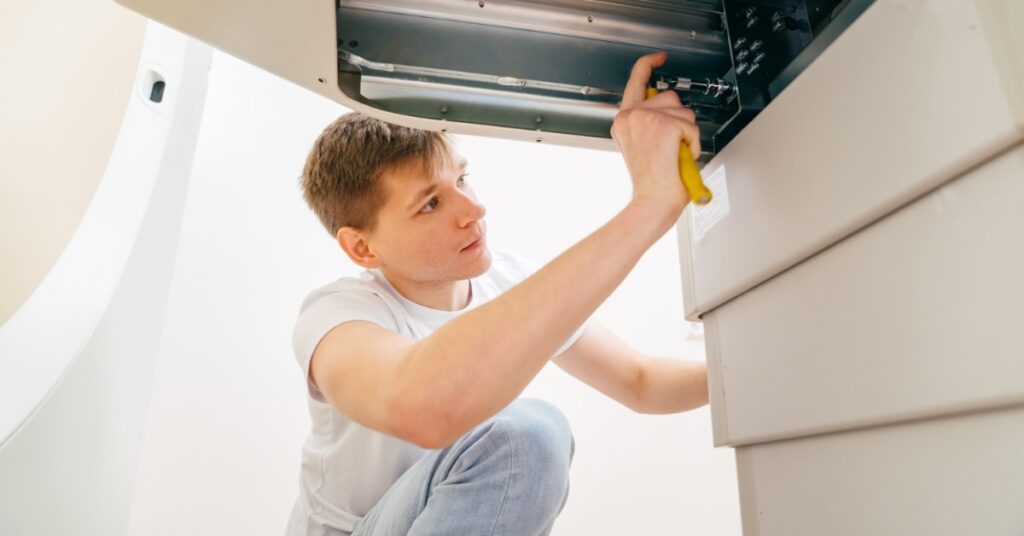
Across rehabilitation and therapy settings, facilities use equipment with different operating mechanisms, from powered treatment devices to hydrotherapy systems. These differences influence which components require inspection and what maintenance procedures manufacturers specify.
For therapeutic devices that rely on controlled operating settings, scheduled servicing may include performance verification to confirm that the equipment functions within its specified limits. Hydrotherapy systems introduce additional considerations because water exposure can affect components such as seals and connections, depending on the equipment’s design.
Repeated patient use can also affect the physical condition of therapeutic equipment. Worn padding, damaged attachments, or deteriorating patient-contact surfaces may require replacement or further evaluation according to the manufacturer’s instructions.
High-Use Equipment and Service Frequency
Although certain medical devices require regular technical attention, service frequency does not depend solely on the equipment category. Manufacturers may establish maintenance intervals using calendar periods, operating hours, or defined usage limits. Facilities that use the same model at different rates may therefore reach particular service milestones at different times.
When planning biomedical equipment maintenance, facility managers should identify the interval requirements that apply to each device. Equipment records can help track operating hours where relevant, document completed service, and identify upcoming maintenance activities. This information supports scheduling based on the manufacturer’s criteria rather than assumptions about how frequently a device needs attention.
A history of recurring repairs may also warrant a closer evaluation of an individual asset. Repeated failures do not automatically justify changing the manufacturer’s maintenance interval, but they can indicate a need for additional technical assessment. Any changes to the service plan should remain consistent with applicable requirements and manufacturer guidance.
Planning Maintenance Around Equipment Requirements
Identifying which medical devices need frequent servicing begins with understanding how each device operates and which components require technical attention. Autoclaves place demands on pressure-control systems, infusion pumps depend on controlled fluid delivery, and diagnostic equipment requires reliable measurement performance. These differences explain why a single maintenance approach cannot adequately address every equipment category.
Minnesota Medical provides maintenance, calibration, and repair services for a range of clinical and laboratory equipment. Its technicians help facilities address equipment performance concerns and carry out applicable service procedures. Facilities can contact Minnesota Medical to discuss their equipment maintenance needs.