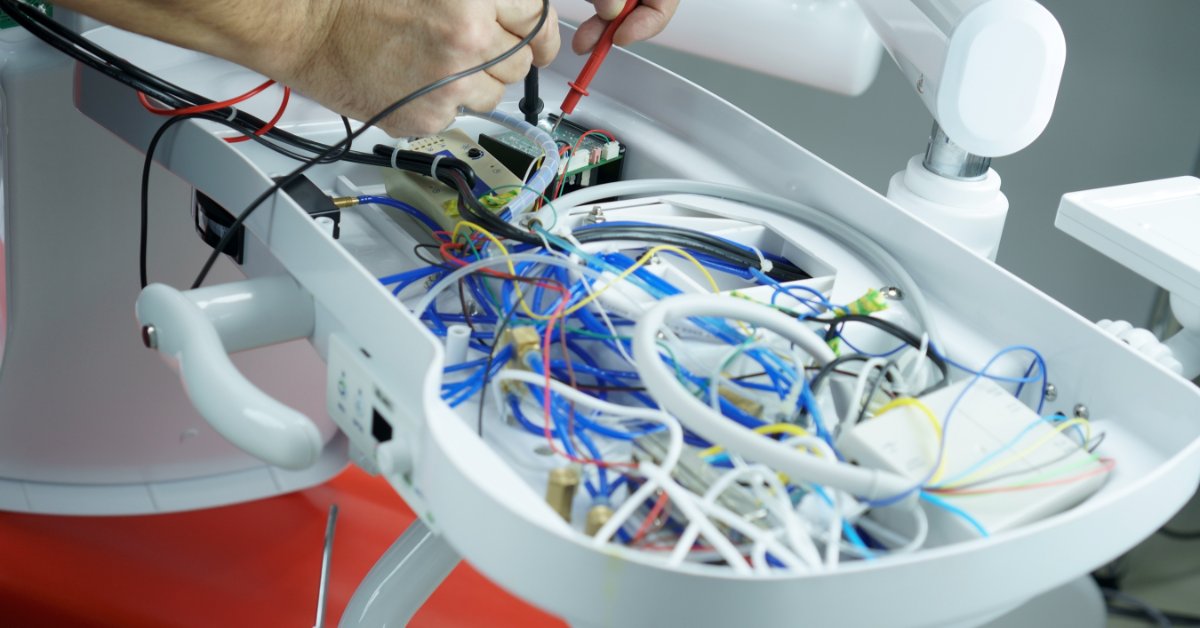
Medical Equipment Issues That Require Fast Action
When clinical or laboratory equipment begins behaving unexpectedly, the appropriate response depends on more than whether the device continues to operate. Changes in performance can create uncertainty about whether staff should keep using the equipment or arrange technical evaluation. Recognizing medical equipment issues that require fast action helps facility teams respond appropriately when normal operation changes.
Before anyone tries to determine what caused the problem, the procedures established for the device and facility should guide the response. Manufacturer instructions can clarify which operating checks apply and when the equipment requires additional attention. Following that guidance keeps the initial response focused on observable conditions rather than assumptions about what has failed.
When Equipment Stops During Normal Operation
During an active workflow, an unexpected shutdown can immediately make equipment unavailable to the staff who depend on it. Following the manufacturer’s instructions gives the team a defined response when the reason for the interruption is not apparent.
If approved operating procedures do not resolve the problem, repeatedly restarting the equipment may not address whatever caused it to stop. The interruption could originate with the device or result from an external condition affecting operation. Technical evaluation can help determine what requires attention before the equipment returns to routine use.
To give a technician useful context, staff can record what the equipment was doing when the interruption occurred. A description of the observed behavior provides a clearer starting point without requiring equipment users to diagnose the cause themselves.
Recurring Error Messages May Require Technical Evaluation
Rather than interpreting an error message based on experience with another device, staff should consult documentation for the equipment displaying it. Manufacturers define messages according to the operation and design of their individual devices, making device-specific guidance important during the initial response.
When the same error returns after staff complete approved operating steps, the recurrence may justify technical evaluation. Providing the exact message helps a technician investigate the reported condition more precisely than a general description of equipment that isn’t working correctly.
If the message repeatedly interrupts the same function, that pattern can further narrow the service question. Staff can communicate what they observed while leaving the determination of the underlying cause to the technician evaluating the equipment.
Unusual Sounds or Movement Can Indicate a Mechanical Change
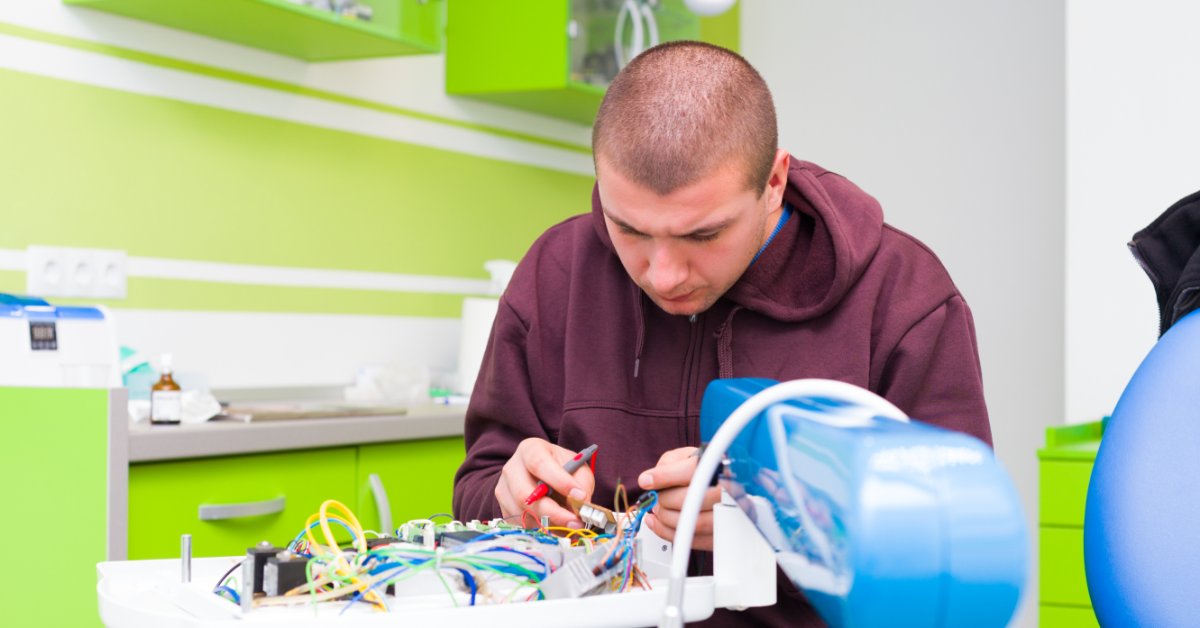
Because employees who regularly operate equipment become familiar with its normal behavior, they may notice changes in sound or movement before the device becomes unavailable. An unfamiliar mechanical noise that persists during use can provide a reason to consult the applicable operating guidance.
When the source of a change isn’t visible, continued observation alone may not explain what has happened inside the equipment. Facility procedures and manufacturer instructions can help staff determine whether the device needs technical attention.
During a subsequent service evaluation, information about when the unusual behavior occurs can focus the technician’s investigation. Describing the affected function provides useful context without requiring staff to determine which component may be responsible.
Visible Electrical Damage Calls for Prompt Attention
After staff discover damage involving a power cord or another electrical connection, the response should follow the manufacturer’s instructions and applicable facility procedures. Visible damage presents a different concern from an operating message that staff can address through approved user procedures.
Where the equipment requires qualified service, technical evaluation allows a technician to examine the affected area before the device resumes normal operation. This approach avoids relying on an improvised repair or an assumption that external appearance reveals the full condition of the equipment.
Even without obvious external damage, a connection that repeatedly interrupts operation may warrant further attention. If approved operating steps do not correct the issue, service personnel can evaluate the reported behavior and determine what the equipment requires.
Fluid Exposure May Require Equipment Evaluation
Following an unexpected liquid exposure, staff may not be able to determine equipment condition from its external appearance. The appropriate response depends on the individual device, making its manufacturer guidance and the facility’s established procedures important after an incident.
If applicable guidance calls for service, a technician can evaluate the equipment before it returns to its normal workflow. That evaluation becomes particularly relevant when moisture may have reached an area that staff cannot assess through the operating checks available to them.
When arranging laboratory equipment service, facilities can identify the affected device and explain the circumstances surrounding the exposure. Those details give the technician a factual starting point without requiring staff to draw conclusions about possible internal damage.
Unexpected Readings Can Point to a Performance Concern
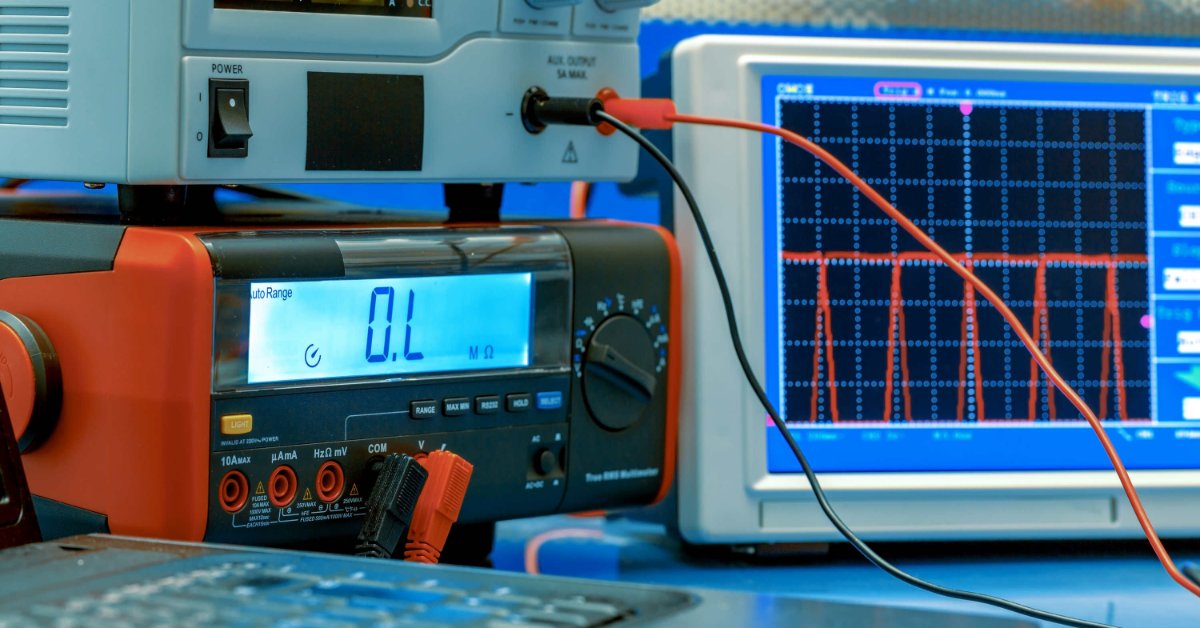
When a result differs substantially from expected performance, immediately attributing the discrepancy to equipment failure can overlook other factors involved in the process. Staff should begin with the operating procedure for the specific device and complete any checks that fall within their responsibilities.
If the result remains questionable after those steps, technical evaluation can address whether equipment performance requires further attention. A technician can examine the device according to the applicable service requirements without relying on assumptions drawn from a single unexpected result.
For problems that appear only under certain conditions, describing what was happening when the questionable reading occurred can support troubleshooting. That context becomes particularly useful when the equipment performs normally by the time a technician evaluates it.
Physical Damage Can Affect More Than Appearance
After a drop or collision, judging equipment solely by visible damage may not establish whether the event affected its operation. Everyday movement throughout a facility can expose devices to impacts, and the appropriate response depends on the requirements established for the equipment.
Before affected equipment returns to routine use, manufacturer guidance and facility procedures should determine what evaluation is necessary. Following those requirements keeps the decision tied to the individual device instead of relying on appearance alone.
When technical service is necessary, information about the incident can help focus the evaluation on the affected area. Staff can explain what happened without attempting to determine whether the impact damaged an internal component.
Intermittent Failures Should Not Become Normalized
When a problem disappears before a technician can observe it, determining what happened can become more difficult. Equipment may perform normally during a service visit even though staff have experienced interruptions during regular operation. By noting the function affected when the problem occurs, staff can give technicians a more useful basis for troubleshooting an intermittent condition.
Although normal operation may return without intervention, recurrence still provides a reason to follow the applicable equipment procedures. Technical evaluation may be appropriate when the same unexplained interruption continues to appear.
Address Equipment Problems Before Returning to Routine Use
Recognizing medical equipment issues that require fast action requires attention to changes that fall outside expected operation. When shutdowns recur or equipment develops physical or performance concerns, manufacturer guidance and facility procedures can help determine whether technical evaluation is necessary.
For facilities that need technical support, Minnesota Medical provides troubleshooting and repair services for clinical and laboratory equipment. Its technicians can diagnose equipment problems by phone, while hands-on support is available in the field or at Minnesota Medical’s drop-off location. These service options allow facilities to seek technical support based on the equipment problem they encounter.