9 Benefits of Preventative Medical Equipment Maintenance
Equipment reliability influences every aspect of clinical and laboratory operations, from patient outcomes to workflow efficiency and compliance readiness. When evaluating benefits of preventive medical equipment maintenance, it becomes clear that structured upkeep determines if systems function as expected under daily demands. Without a consistent maintenance routine, small performance issues can develop into larger disruptions that affect both accuracy and operational continuity, especially in high-use environments where operators rely on equipment continuously.
Facilities that need complex equipment must account for wear, environmental conditions, and usage patterns, all of which influence long-term performance and reliability. A proactive maintenance strategy creates consistency across equipment types, allowing teams to manage performance expectations while reducing unexpected interruptions that interfere with daily operations and scheduling.
Reduced Risk of Unexpected Equipment Failures
Unplanned equipment failures can disrupt operations at critical moments, particularly in environments where timing and accuracy directly impact outcomes and workflow coordination. Preventive maintenance addresses early signs of wear or instability before they escalate into larger issues, which allows facilities to avoid sudden downtime that affects both staff workflows and patient care delivery.
By identifying potential failure points during routine inspections, technicians can resolve issues before they interfere with performance or lead to equipment shutdowns. Predictable operating environments ensure equipment remains available when operators need it, eliminating avoidable disruptions and delays.
Extended Equipment Lifespan
Medical devices represent a substantial investment, and their longevity depends on how well technicians maintain them throughout their lifecycle and how much the facility uses them. Preventive maintenance supports long-term use by addressing wear patterns, replacing aging components, and keeping systems aligned with manufacturer specifications.
Rather than allowing gradual degradation to shorten usable life, routine service preserves functionality and delays the need for replacement while maintaining performance standards. Facilities maximize equipment value and maintain dependable performance across extended use periods by following these standards.
Wear-and-Tear Monitoring
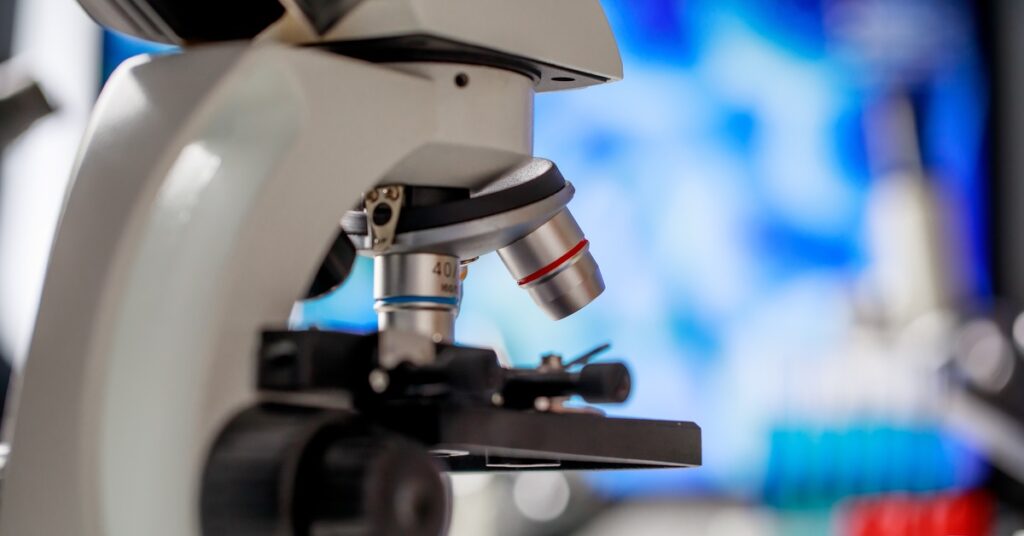
Routine inspections provide insight into how components degrade under regular use, which allows technicians to track patterns that might not be immediately visible during daily operation. Monitoring these changes creates opportunities to intervene early, preserving both performance and structural integrity while preventing avoidable deterioration that could lead to more extensive repairs.
Improved Equipment Performance Consistency
Consistency in performance is essential for clinical accuracy, particularly when equipment is used for diagnostics, treatment delivery, or laboratory analysis where precision is required. Preventive maintenance supports stable output by maintaining calibration, alignment, and operational parameters within acceptable ranges, which reduces variability across repeated use.
Without routine adjustments, even minor deviations can influence results and affect decision-making processes that depend on reliable data. A structured maintenance keeps equipment operating within expected tolerances, supporting dependable outcomes across departments and reducing the likelihood of performance fluctuations.
Better Compliance With Regulatory Standards
Healthcare and laboratory environments must meet strict regulatory requirements, and equipment maintenance directly influences compliance with those standards. Preventive maintenance includes documentation, inspections, and testing procedures that align with industry expectations and inspection protocols required for audits and evaluations.
Maintaining accurate service records simplifies audits while reducing the risk of compliance gaps, particularly when facilities must demonstrate adherence to safety and performance standards. Structured maintenance supports both operational integrity and regulatory readiness across different departments and equipment types.
Inspection and Documentation Standards
Detailed documentation provides a clear history of maintenance activities, which allows facilities to track service intervals and verify compliance during inspections or internal reviews. These records support transparency while reinforcing accountability across equipment management processes, making it easier to demonstrate consistency in maintenance practices.
Lower Long-Term Operating Costs
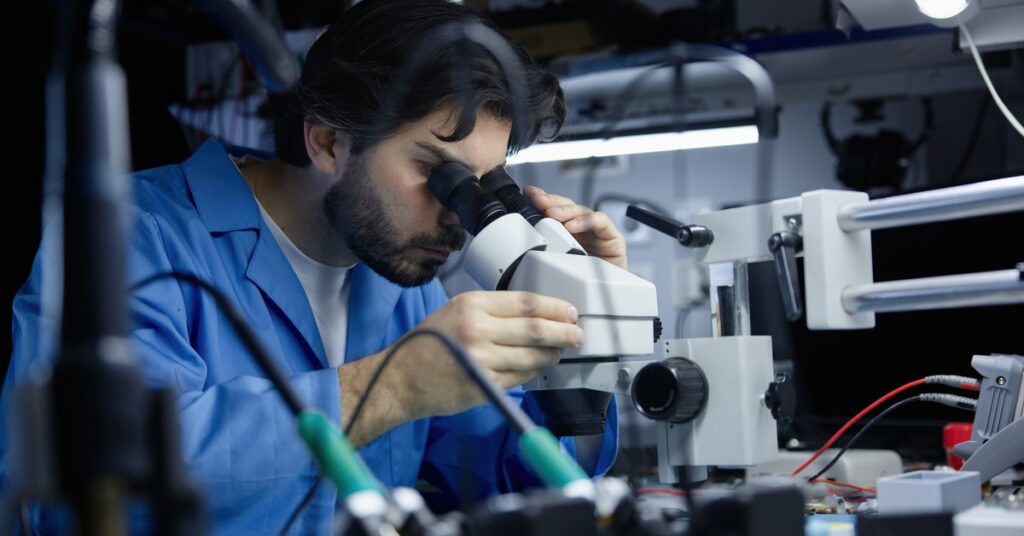
While preventive maintenance requires ongoing investment, it reduces the likelihood of costly repairs and emergency service calls that arise from neglected equipment or delayed servicing. Addressing issues early prevents them from escalating into more complex and expensive problems that strain operational budgets and disrupt financial planning.
Stable maintenance costs reduce the financial variability associated with unexpected breakdowns or urgent repairs, and facilities benefit from more predictable budgeting with fewer disruptions tied to emergency services.
Increased Equipment Safety for Staff and Patients
Equipment that operates outside of expected parameters can introduce safety risks, particularly in environments where safe operation requires precision and reliability. Preventive maintenance reduces these risks by verifying that systems function correctly and remain within safe operating conditions during routine use.
Regular inspections identify potential hazards before they affect users, supporting a safer environment for both staff and patients while reducing exposure to avoidable risks. By adopting these measures, facilities reinforce confidence in equipment performance and maintain consistent safety standards.
Enhanced Workflow Efficiency
Operational efficiency depends on equipment availability and performance, particularly in facilities managing high volumes of procedures, diagnostics, or laboratory testing. Preventive maintenance reduces interruptions by keeping systems functioning consistently, which allows workflows to proceed without unexpected delays or bottlenecks that impact productivity.
When equipment remains reliable, staff can maintain productivity without reallocating time to address technical issues or coordinate repairs. Maintaining consistency supports smoother operations across departments and improves overall workflow coordination and resource management.
Improved Equipment Reliability Across Departments
Reliability does not apply to a single device in isolation, as most facilities depend on multiple systems functioning together to support daily operations and interconnected workflows. Preventive maintenance strengthens consistency across departments by keeping interconnected equipment operating within expected parameters, which reduces the likelihood of one issue creating downstream disruptions.
When equipment performs reliably across different areas, teams experience fewer workflow interruptions and can maintain a steady pace without compensating for unexpected failures. Reliable consistency supports coordination between departments and reinforces confidence in overall equipment performance throughout the facility.
Stronger Maintenance Planning and Scheduling
A structured maintenance plan creates consistency in how technicians service equipment, reducing uncertainty around when inspections or repairs should occur while supporting long-term planning. Scheduled maintenance intervals allow facilities to plan service needs, accordingly, minimizing disruption to daily operations while maintaining equipment readiness across all departments. Clear team coordination improves while usage and condition dictate equipment attention at appropriate intervals, and consistent scheduling contributes to more stable performance.
Building Long-Term Equipment Reliability
Facilities that prioritize preventive care create a foundation for sustained equipment performance, aligning maintenance practices with operational demands and compliance requirements across clinical and laboratory environments. When routine service becomes part of standard operations, equipment remains more dependable, and teams can operate with greater confidence in system performance and output accuracy.
Minnesota Medical provides medical equipment maintenance services designed to support long-term reliability, combining technical expertise with structured service programs that fit clinical and laboratory environments. For organizations evaluating preventive medical equipment maintenance benefits, partnering with an experienced provider strengthens performance, reduces risk, and supports consistent operation across all equipment systems.